
Unlock Wellness with Traditional Chinese Massage Methods
- Kalu

- Mar 23
- 4 min read
When life gets hectic, finding a moment to unwind and recharge feels like a luxury. That’s where traditional Chinese massage methods come in. These ancient techniques offer more than just relaxation - they promote deep healing and balance for your body and mind. I’ve explored these methods myself, and I’m excited to share how they can unlock wellness in your daily life.
Discovering Traditional Chinese Massage Methods
Traditional Chinese massage methods have been practiced for thousands of years. Rooted in the principles of Traditional Chinese Medicine (TCM), they focus on balancing the flow of energy, or qi, throughout the body. Unlike typical massages that mainly target muscles, these methods work on energy pathways called meridians to restore harmony.
Some popular techniques include:
Tui Na: A hands-on technique using kneading, rolling, and pressing to stimulate acupressure points.
Gua Sha: Involves scraping the skin with a smooth-edged tool to improve circulation.
Zhi Ya: Focuses on applying pressure to specific points to relieve pain and tension.
Acupressure: Similar to acupuncture but without needles, using finger pressure on key points.
Each method has its unique benefits, but they all aim to reduce stress, relieve pain, and boost overall wellness. What I love most is how these techniques blend physical touch with energetic healing, making the experience both soothing and revitalizing.
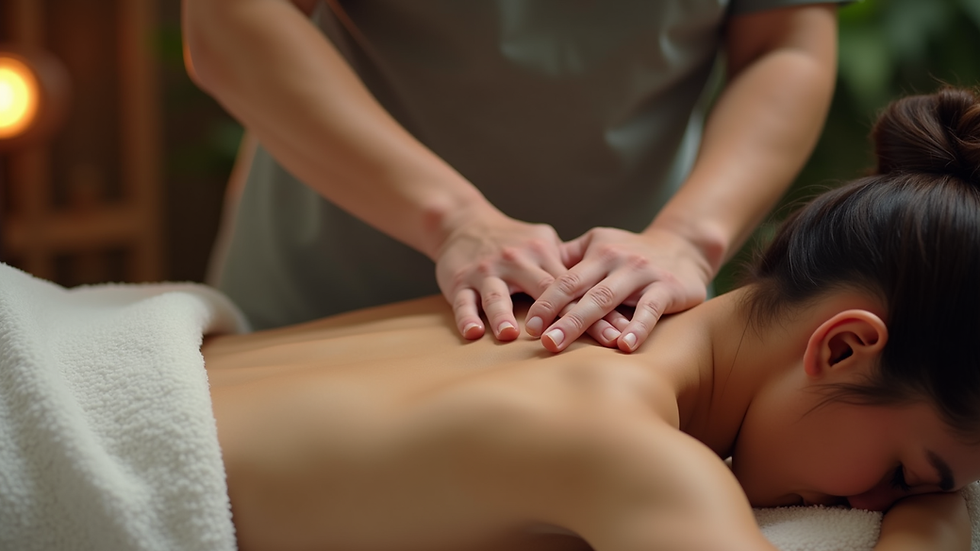
If you’re curious about trying these methods, it’s important to find a skilled practitioner who understands the nuances of traditional Chinese massage. They’ll tailor the session to your needs, whether you want to ease muscle stiffness or improve your energy flow.
How Traditional Chinese Massage Methods Promote Wellness
The beauty of traditional Chinese massage methods lies in their holistic approach. They don’t just treat symptoms but address the root causes of discomfort. Here’s how they can help you unlock wellness:
Stress Reduction
By stimulating acupressure points and meridians, these massages calm the nervous system. You’ll often feel a deep sense of relaxation that lasts long after the session.
Pain Relief
Techniques like Zhi Ya and Tui Na target areas of tension and inflammation. They can be especially helpful for chronic pain conditions like arthritis, back pain, or headaches.
Improved Circulation
Gua Sha and other scraping methods increase blood flow, which helps flush out toxins and promotes healing.
Enhanced Energy Flow
Balancing qi means your body functions more efficiently. This can boost your immune system and improve digestion, sleep, and mood.
Better Flexibility and Mobility
The massage techniques stretch and loosen muscles and tendons, making movement easier and reducing the risk of injury.
If you’re new to these methods, start with a gentle session to see how your body responds. Over time, you might notice improvements in your energy levels and overall sense of well-being.
What are red flags to watch out for during a massage?
While traditional Chinese massage methods are generally safe, it’s important to be aware of signs that something might not be right during your session. Here are some red flags to watch for:
Excessive Pain: A little discomfort can be normal, especially if you have tight muscles, but sharp or intense pain is a warning sign.
Skin Reactions: Redness or bruising can happen, especially with Gua Sha, but if you notice swelling, rash, or blistering, stop immediately.
Dizziness or Nausea: Feeling faint or sick during or after a massage could indicate your body is reacting poorly.
Unprofessional Behavior: Your comfort and safety should always come first. If the therapist rushes, ignores your feedback, or makes you uncomfortable, it’s time to find someone else.
Underlying Health Conditions: If you have certain medical issues like blood clots, fractures, or infections, massage might not be safe. Always consult your doctor before booking a session.
Listening to your body and communicating openly with your therapist ensures a positive experience. Don’t hesitate to speak up if something feels off.
How to Prepare for Your Traditional Chinese Massage Session
Getting the most out of your massage starts before you even walk through the door. Here are some tips to prepare:
Hydrate Well: Drinking water before and after helps flush out toxins released during the massage.
Wear Comfortable Clothing: Loose clothes make it easier for the therapist to work on your body.
Avoid Heavy Meals: A light snack is fine, but avoid eating a big meal right before your session.
Arrive Early: Give yourself time to relax and fill out any necessary health forms.
Set Your Intentions: Think about what you want from the session - stress relief, pain reduction, or energy balance.
During the massage, try to breathe deeply and stay present. This helps your body relax and respond better to the techniques.

Bringing Traditional Chinese Massage into Your Wellness Routine
Incorporating traditional Chinese massage methods into your regular wellness routine can make a big difference. Here’s how to get started:
Schedule Regular Sessions: Consistency is key. Even monthly massages can help maintain balance and prevent tension buildup.
Combine with Other Practices: Try pairing massage with acupuncture, tai chi, or meditation for a full mind-body experience.
Learn Basic Techniques: Some simple acupressure points can be stimulated at home to relieve stress or headaches.
Communicate Your Needs: Always share your health history and preferences with your therapist to customize your treatment.
Explore Special Offers: Many massage centers offer introductory rates or packages that make it easier to commit to regular care.
If you’re in Lone Tree, Mint Massage Lone Tree is a great place to explore these traditional methods. They focus on creating a relaxing, therapeutic environment that welcomes both individuals and couples seeking relief and relaxation.
Unlocking wellness with traditional Chinese massage methods is about more than just a massage. It’s a journey toward balance, healing, and feeling your best every day. Whether you’re dealing with stress, pain, or just need a break, these ancient techniques offer a gentle, effective way to nurture your body and mind.
If you want to learn more about chinese massage techniques, I encourage you to explore and experience the benefits firsthand. Your body will thank you!

Comments