

Understanding Deep Tissue vs Swedish Massage Techniques: A Massage Types Comparison
- Kalu

- Feb 9
- 4 min read
When it comes to choosing a massage, it can feel a bit overwhelming. There are so many styles, each promising different benefits. Two of the most popular options are deep tissue and Swedish massage. Both offer relaxation and relief, but they work in very different ways. I’m here to help you understand these two massage types better, so you can pick the one that suits your needs perfectly.
Massage Types Comparison: What Sets Deep Tissue and Swedish Apart?
Let’s start by breaking down the basics. Swedish massage is often what people think of when they imagine a classic massage. It’s gentle, flowing, and designed to relax your entire body. The strokes are long and smooth, focusing on improving circulation and easing muscle tension.
Deep tissue massage, on the other hand, is more intense. It targets the deeper layers of muscle and connective tissue. This technique is great for people dealing with chronic pain, tight muscles, or injuries. The pressure is firmer, and the strokes are slower, aiming to break down knots and release tension that’s been building up over time.
Here’s a quick comparison to keep in mind:
Pressure: Swedish is light to medium; deep tissue is firm to intense.
Purpose: Swedish focuses on relaxation; deep tissue targets pain relief and muscle rehabilitation.
Techniques: Swedish uses long, gliding strokes; deep tissue uses slow, deep strokes and friction.
Ideal for: Swedish suits beginners or those wanting stress relief; deep tissue is better for chronic pain or athletes.
Understanding these differences can help you decide which massage type will give you the best experience.

How Each Massage Feels and What to Expect
If you’ve never had either massage before, you might wonder what the experience feels like. Swedish massage is like a gentle wave washing over your body. The therapist uses their hands, forearms, and sometimes elbows to apply smooth strokes. You’ll likely feel relaxed and calm, with muscles gently loosened. It’s perfect if you want to unwind after a stressful day or just enjoy some pampering.
Deep tissue massage feels quite different. It can be a bit uncomfortable at times, especially if you have tight knots or sore spots. The therapist applies firm pressure, sometimes using slow, deep strokes or targeted finger pressure to work out tension. You might feel some soreness afterward, but that’s normal and usually fades within a day or two. The payoff is often long-lasting relief from muscle pain and improved mobility.
If you’re unsure which one to try, think about your goals. Want to relax and de-stress? Swedish is your go-to. Need to tackle stubborn muscle pain? Deep tissue might be the better choice.
Which Massage Is More Sensual, Swedish or Deep Tissue?
This is a question I get asked a lot. When it comes to sensuality, Swedish massage generally takes the lead. Its gentle, flowing strokes and soothing rhythm create a calming, almost hypnotic effect. The experience is often described as nurturing and comforting, which can feel quite intimate in a non-sexual way.
Deep tissue massage, by contrast, is more clinical and focused on healing. The pressure is firm and sometimes intense, which doesn’t usually lend itself to a sensual vibe. It’s all about working through muscle layers and releasing tension, not about creating a romantic or sensual atmosphere.
So, if you’re looking for a massage that feels more sensual and relaxing, Swedish massage is the way to go. But if your priority is pain relief and muscle recovery, deep tissue is the better fit.
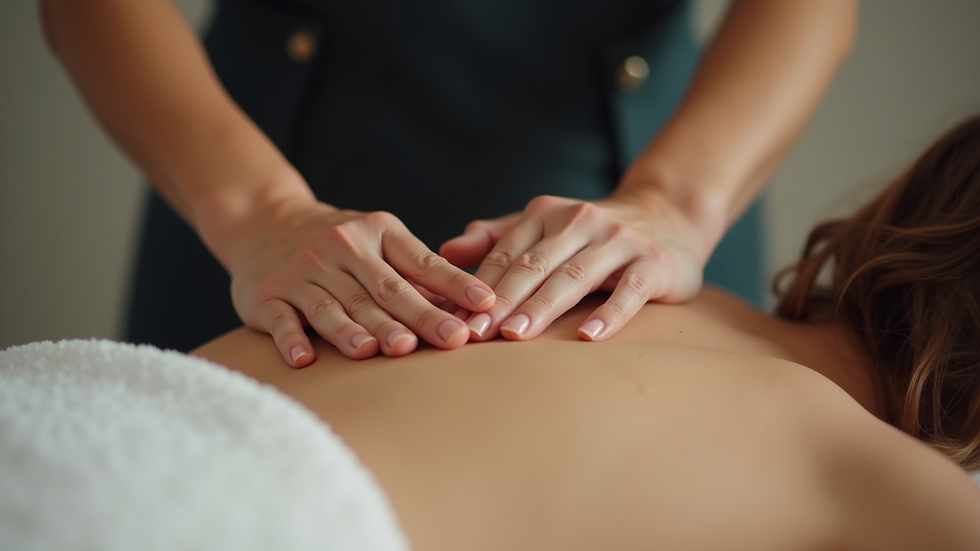
Tips for Choosing Between Deep Tissue and Swedish Massage
Choosing the right massage can make all the difference in your experience. Here are some practical tips to help you decide:
Assess Your Needs: Are you looking to relax or relieve pain? Swedish is great for relaxation; deep tissue is better for pain.
Consider Your Pain Tolerance: Deep tissue can be intense. If you’re sensitive to pressure, start with Swedish.
Think About Your Health: If you have certain conditions like blood clots, skin infections, or recent surgery, consult your doctor before deep tissue massage.
Communicate With Your Therapist: Always tell your therapist about your preferences and any areas of concern. They can adjust pressure and techniques accordingly.
Try Both: If you’re curious, try a Swedish massage first, then a deep tissue session later. This way, you can experience both and see which feels best.
Remember, a good massage therapist will tailor the session to your needs, so don’t hesitate to speak up during your appointment.
Why Mint Massage Lone Tree Is Your Best Choice for These Massage Types
If you’re in Lone Tree and looking for a place that offers both Swedish and deep tissue massages, Mint Massage Lone Tree is a fantastic option. They specialize in creating a relaxing and therapeutic environment that caters to your unique needs.
Whether you want to melt away stress with a gentle Swedish massage or tackle muscle pain with a deep tissue session, their skilled therapists have you covered. Plus, they often have special offers for new clients, making it easier to try out these massage types without breaking the bank.
Their focus on stress relief and overall wellness means you’ll leave feeling refreshed, rejuvenated, and ready to take on whatever life throws your way.
Choosing between these two massage styles doesn’t have to be confusing. With a little understanding and the right guidance, you can enjoy the benefits of either Swedish or deep tissue massage. And if you’re ever in doubt, Mint Massage Lone Tree is ready to help you find the perfect fit for your body and mind.
Ready to experience the difference? Check out this deep tissue vs swedish massage guide for more insights and book your session today!


Comments